Winter Pest Problems in Lilyfield Warehouses: Why Timber Packaging Can Attract Trouble

When winter arrives in Sydney, many businesses focus on keeping stock dry, deliveries moving and warehouse operations running smoothly. But one issue that often gets missed is the pest risk connected with wood packaging, pallets, crates and storage materials. For Lilyfield shipping hubs, warehouses and commercial storage spaces, timber packaging can quietly become a shelter point for pests. Cooler weather pushes insects and rodents indoors, and stacked pallets, timber crates and loading areas can give them the perfect place to hide.
Why Wood Packaging Becomes a Pest Risk in Winter
Wood packaging is commonly used for freight, storage and transportation because it is strong and practical. However, timber can also hold moisture, dust and small gaps where pests can settle. During winter, pests look for three main things: warmth, shelter and food. A busy shipping hub may provide all three without anyone noticing straight away. Pallets stored close to walls, damp timber, cardboard waste and quiet corners can quickly become attractive hiding spots. This does not mean every wooden pallet will cause a pest problem, but it does mean businesses should be more careful during the colder months.
Common Pests Found Around Timber Packaging
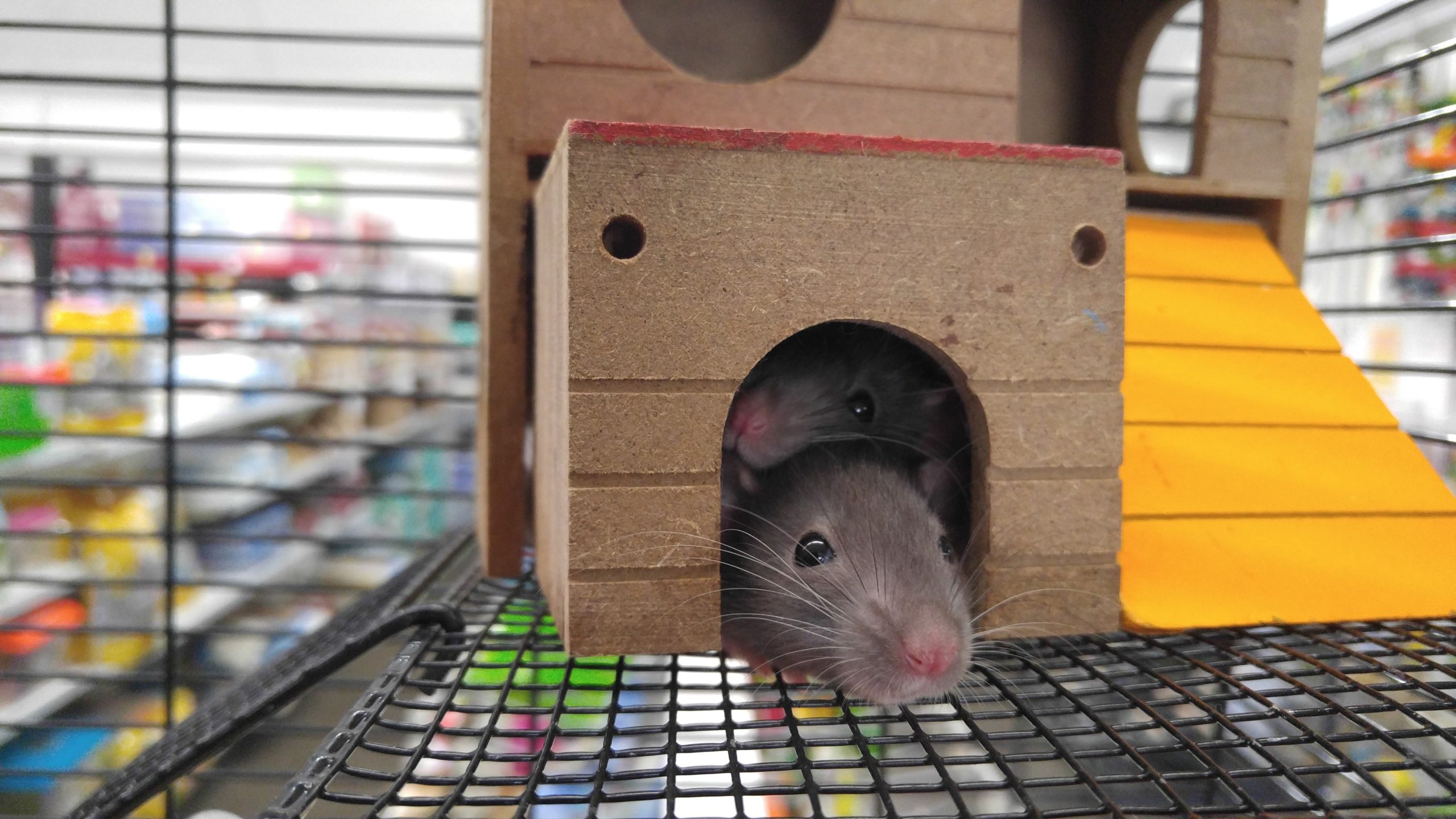
Several pests may be linked to warehouse and shipping environments, especially when timber, packaging waste and stored goods are involved. Rodents can nest behind stacked pallets or near loading docks. Cockroaches may hide in dark gaps, drains and storage corners. Spiders can settle around unused crates or shelving. Timber pests may also become a concern where old, damp or untreated wood is kept for long periods. For businesses noticing pest activity around storage areas or loading zones, booking professional Pest Control Lilyfield can help identify the problem early before it spreads further into the site.
Signs Your Shipping Hub May Have a Pest Issue
Pest problems are not always obvious at first. In many cases, the signs are small and easy to miss during busy workdays. Look out for droppings near pallets, chewed packaging, unusual smells, live insects, webbing, damaged cardboard, scratching noises or pest sightings near loading docks. Staff may also notice pests around bins, break areas or stockrooms. The earlier these signs are checked, the easier it is to manage the issue before it affects stored goods, staff comfort or business operations.
How Lilyfield Businesses Can Reduce the Risk
Good warehouse hygiene is one of the best ways to lower pest pressure. Keep timber packaging dry, avoid storing pallets directly against walls, remove damaged wood, clean under shelving and keep loading areas clear. It also helps to rotate stock regularly and avoid leaving unused packaging in quiet corners for too long. Waste areas should be cleaned often, and bins should remain sealed where possible. For warehouses, food storage sites, commercial units and logistics businesses, regular Commercial Pest Control can provide ongoing protection and help spot pest risks before they turn into larger problems.
Why Winter Pest Prevention Matters
Winter pest activity can be easy to underestimate. Because pests are often hidden inside walls, packaging stacks or storage areas, a problem may grow before it becomes visible. For shipping hubs, this can create more than just an inconvenience. Pest activity can affect stock presentation, workplace hygiene, customer confidence and overall site safety. Preventive pest control is usually easier and more cost-effective than dealing with a larger infestation later.
Keep Your Lilyfield Site Protected This Winter
Wood packaging is part of everyday warehouse and freight operations, but it should not become a hidden pest shelter. With regular cleaning, proper storage and professional pest checks, Lilyfield businesses can reduce risk and keep their operations running smoothly through winter. If your business uses timber pallets, crates or packaging materials, winter is a good time to review your pest prevention plan and make sure your site is protected.