What’s Trending in Texas Travel Right Now
Texas travel continues to grow as one of the strongest tourism markets in the U.S., driven by major events, expanding city attractions, and increasing interest in both well-known destinations and lesser-visited regions. From global events like the upcoming FIFA World Cup matches in 2026 to rising interest in cities like El Paso, current travel trends show a shift toward affordable, experience-driven trips across the state.
Texas Named a Top State for Tourism Growth
Texas remains a major force in U.S. tourism, with the travel industry generating approximately $199 billion in total economic impact in recent years. Visitor spending alone exceeded $90 billion annually, supporting millions of jobs across hospitality, transportation, and entertainment sectors. Looking ahead, Texas is positioned to benefit from increased domestic and international travel tied to World Cup host cities including Dallas and Houston, along with continued investment in infrastructure, hotels, and attractions. Major metro areas such as Houston, Dallas, Austin, and San Antonio continue to lead in visitor numbers, while smaller cities and regional destinations are gaining attention as travelers seek less crowded, more affordable experiences.
El Paso Emerges as a Rising Texas Destination
View this post on Instagram
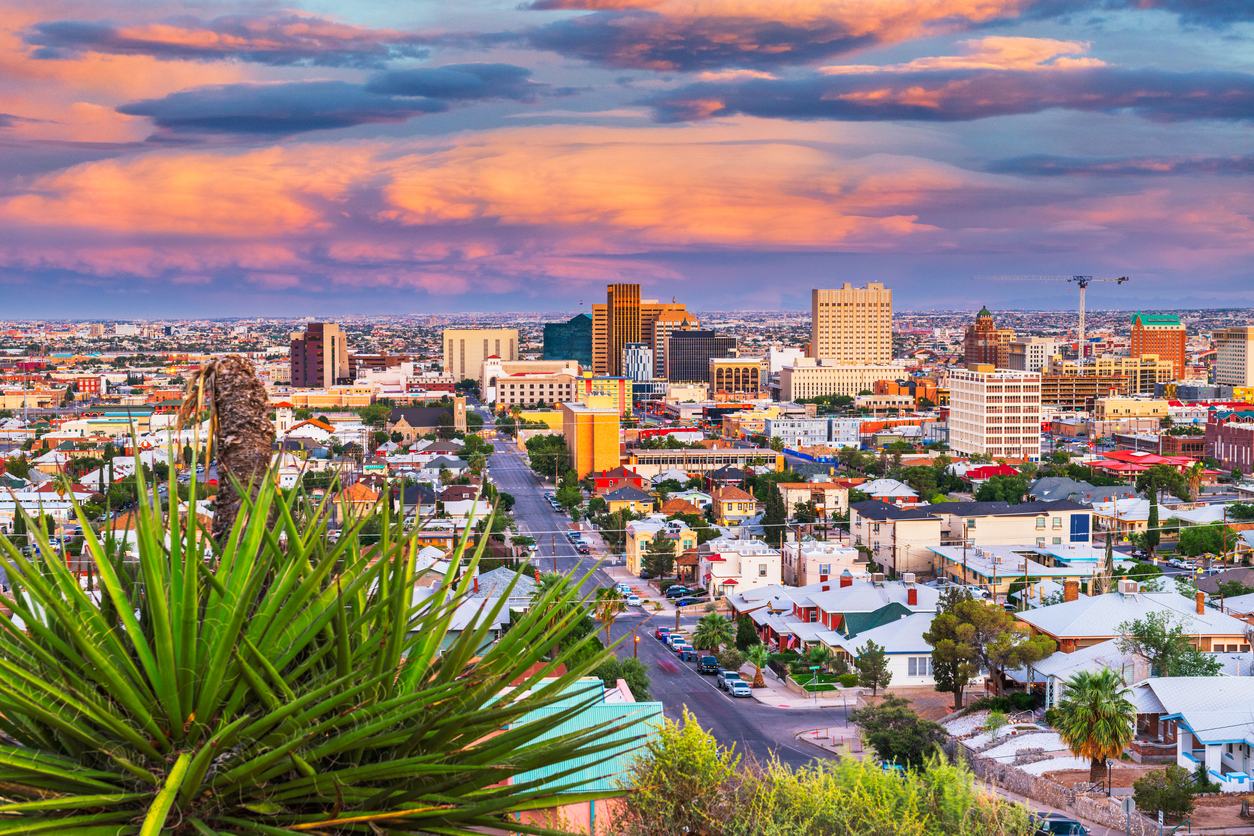
El Paso has gained momentum as a rising destination in Texas travel, attracting visitors with its desert landscapes, cultural depth, and relatively lower travel costs compared to larger cities. Interest in El Paso has increased significantly in recent travel trend reports, with more travelers looking beyond traditional hotspots. The city offers access to the Franklin Mountains State Park, one of the largest urban parks in the country, along with historic sites like the Plaza Theatre and a growing arts and food scene. While nightly rates vary depending on season and location, El Paso generally remains more affordable than major Texas metros, making it appealing for budget-conscious travelers and those seeking a quieter alternative.
Why Visit These Texas Cities Right Now
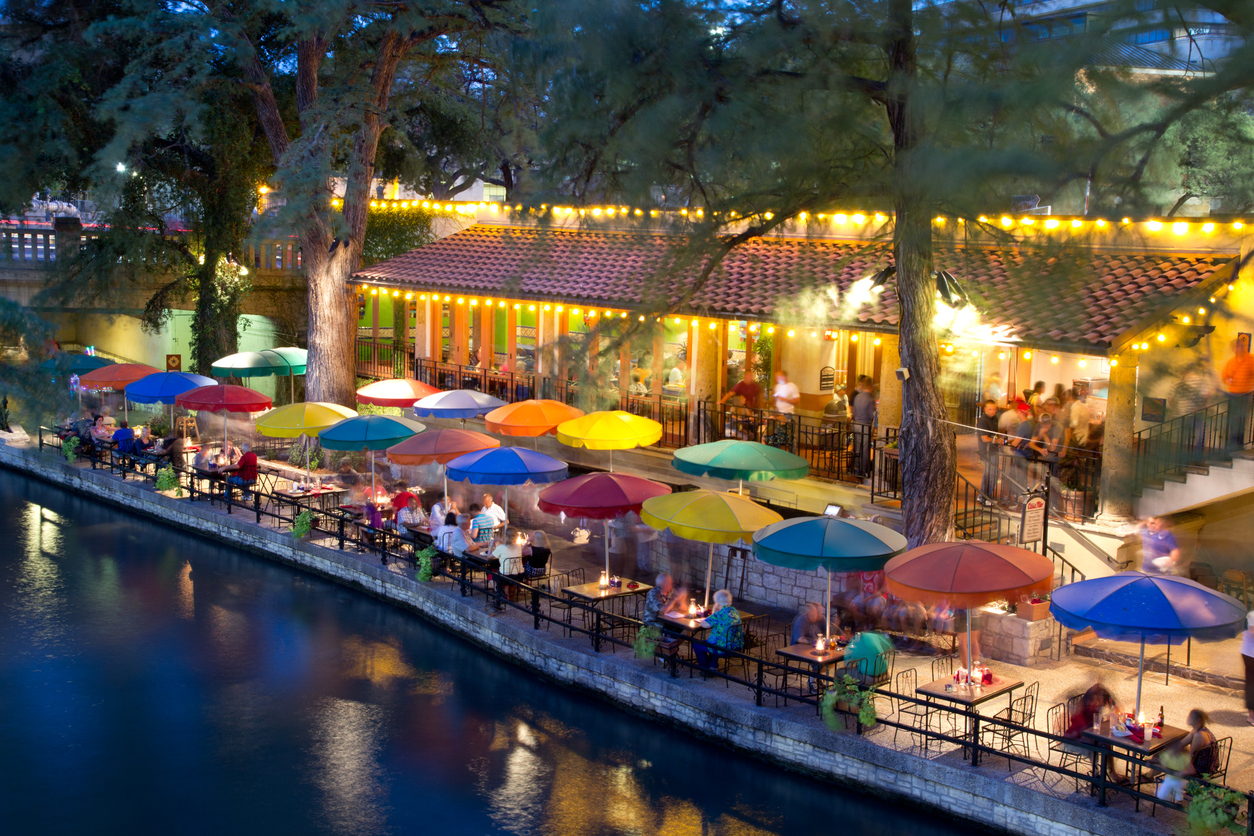
Each major Texas destination is seeing growth for different reasons, making timing especially relevant. Houston continues to expand its museum offerings and international food scene, with ongoing investment tied to global events like the 2026 World Cup. Dallas–Fort Worth remains a hub for large-scale events, entertainment districts, and one of the largest arts districts in the country. Austin draws visitors year-round with its live music scene, festivals like SXSW and ACL, and strong outdoor recreation culture. San Antonio blends history and accessibility, with continued enhancements to the River Walk and Mission sites, making it especially appealing for first-time visitors. El Paso stands out for its affordability, desert scenery, and growing reputation as a cultural destination, attracting travelers looking for something less crowded and more regionally distinctive.
Major Events Driving Travel Demand Across Texas
View this post on Instagram
Large-scale events continue to shape travel patterns across the state. Preparations for the 2026 FIFA World Cup are already influencing hotel bookings and infrastructure upgrades, particularly in North Texas and Houston. In addition to global events, Texas hosts a steady calendar of major festivals and gatherings, including SXSW in Austin, the Houston Livestock Show and Rodeo, and the State Fair of Texas in Dallas. These events drive seasonal travel spikes and encourage visitors to plan trips months in advance. Travelers are increasingly building trips around these experiences, combining events with nearby attractions to maximize their time in each region.
When Travelers Are Planning Texas Trips
Travel planning for Texas typically begins early in the year, with January through March serving as a key window for booking spring and summer travel. This timing allows visitors to secure better pricing on accommodations and tickets, especially in high-demand cities. Seasonal awareness plays an important role. Spring and fall remain the most comfortable times to visit due to milder temperatures, while summer travel often requires planning around heat, especially in cities like Houston, Dallas, and Austin where temperatures regularly exceed 90°F. Winter travel, particularly in South Texas and coastal areas, continues to attract visitors looking for milder weather compared to northern states.
How to Avoid Crowds During Major Texas Events
Texas hosts some of the country’s largest festivals and events, which can significantly impact travel plans. To avoid peak crowds, consider visiting popular cities just before or after major events like SXSW in Austin, the Houston Rodeo, or the State Fair of Texas. Booking accommodations well in advance is essential if you plan to travel during these times, as hotels can fill quickly and prices increase. Alternatively, staying in nearby suburbs or smaller surrounding towns can provide easier access while avoiding congestion. Visiting attractions early in the morning or later in the evening also helps reduce wait times, particularly in busy areas like downtown districts and museum zones.
Regional Trends Shaping Where People Travel
View this post on Instagram
Travel trends across Texas increasingly reflect regional diversity, with different parts of the state appealing to different travel styles.
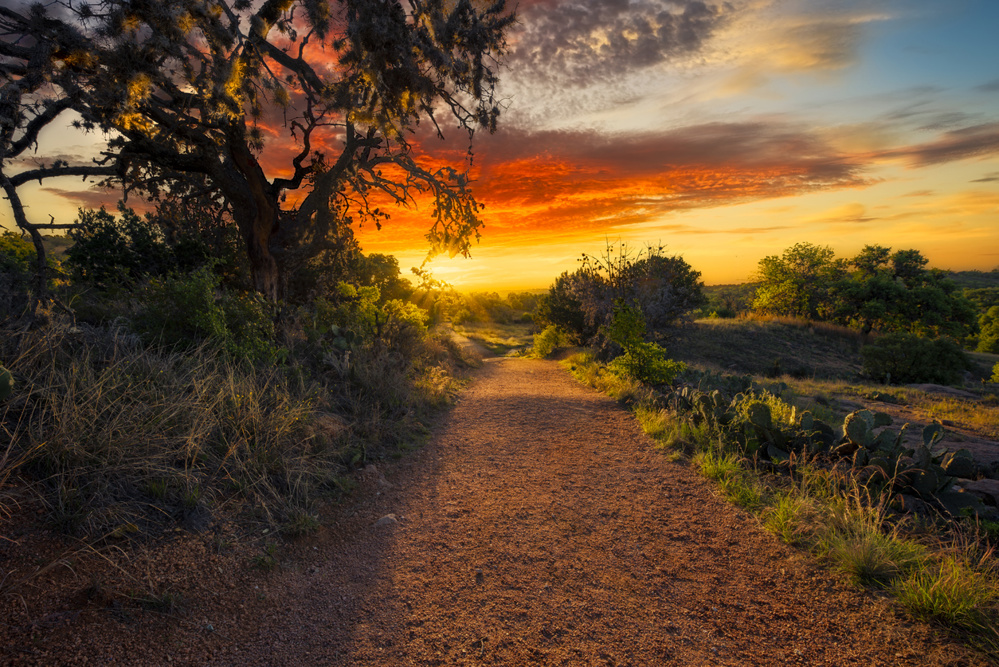
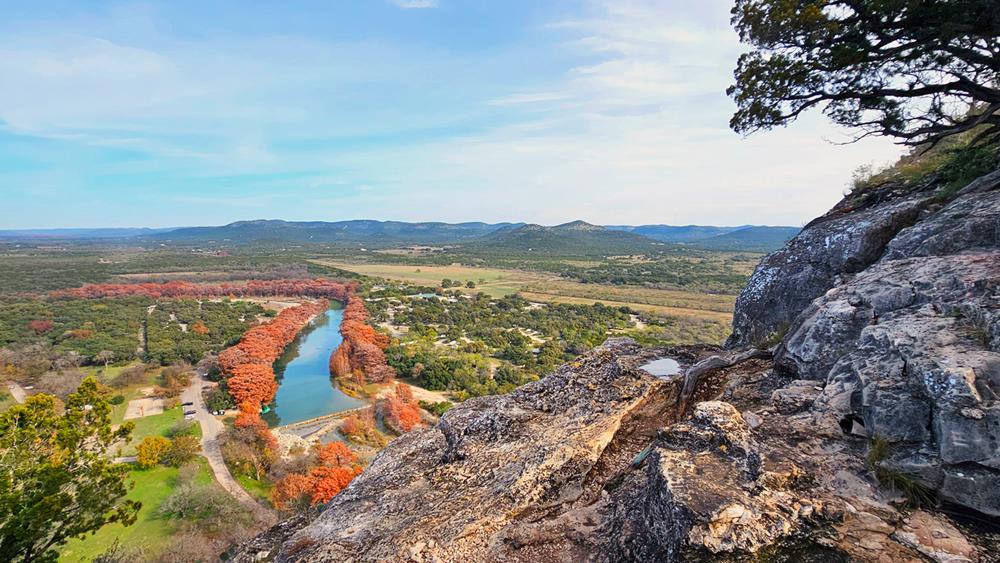
- Hill Country and Central Texas attract visitors with scenic drives, wineries, and small-town charm.
- The Gulf Coast, including Galveston and South Padre Island, remains popular for beach trips and winter travel.
- West Texas draws travelers interested in wide-open landscapes, national parks, and desert scenery.
- Major cities continue to dominate for museums, dining, and cultural attractions.
This shift shows that travelers are not just visiting Texas—they’re exploring it more deeply, often combining multiple regions into a single trip.
Affordability and Experience-Driven Travel Are Leading Trends
Across the state, travelers are prioritizing value and unique experiences over traditional sightseeing alone. Cities like El Paso, Amarillo, and parts of the Rio Grande Valley are gaining attention for offering lower costs without sacrificing cultural depth or outdoor access. At the same time, demand is growing for immersive activities, such as guided tours, local food experiences, and outdoor recreation. This aligns with broader travel trends where visitors seek more meaningful, memorable trips rather than simply checking off landmarks. Texas’s size and variety make it especially well-suited for this type of travel, allowing visitors to combine urban exploration, outdoor adventure, and cultural experiences within a single itinerary.
What to Expect: Travel Costs Across Texas Regions
Travel costs in Texas vary significantly depending on location, season, and demand. In major cities like Austin and Dallas, hotel rates typically range from $150 to $300 per night, especially during festivals and peak travel seasons. Houston and San Antonio often offer slightly more moderate pricing, with average stays between $120 and $250 per night. More affordable destinations such as El Paso, Amarillo, and parts of South Texas can offer accommodations closer to $80 to $150 per night, making them attractive for longer stays or budget-conscious trips. Dining and attractions also follow similar patterns, with larger cities offering both high-end and budget-friendly options, while smaller regions tend to provide better overall value.
Planning Your Trip: First-Time vs Repeat Visitors
If it’s your first time visiting Texas, focusing on major cities like Houston, Austin, Dallas, and San Antonio provides a well-rounded introduction to the state’s culture, history, and food scene. These destinations offer the most accessible attractions and infrastructure for planning a smooth trip. For repeat visitors, exploring beyond the major metros can offer a more unique experience. Destinations like El Paso, the Texas Hill Country, West Texas, and the Gulf Coast provide opportunities for scenic drives, outdoor recreation, and a slower pace of travel. Combining both approaches—returning to a favorite city while adding a new region—has become one of the most popular ways to experience Texas more deeply.