
Outdoor Activity News Every Texas Visitor Should Read
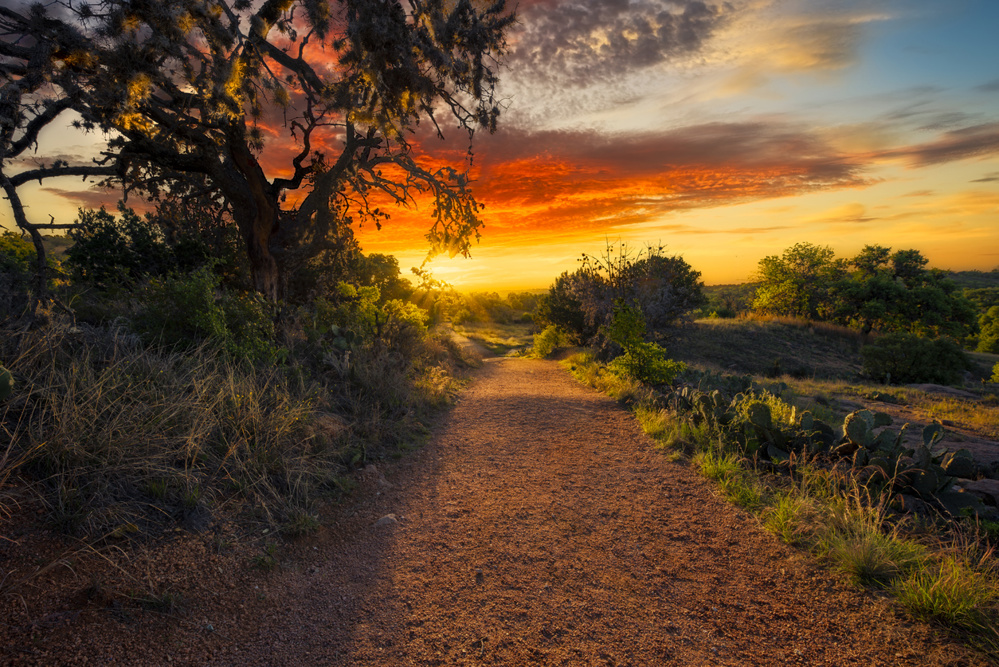
Texas continues to see strong participation in outdoor recreation, with state parks, hiking trails, and guided programs drawing visitors from across the country. Events like New Year’s Day hikes, ranger-led programs, and seasonal outdoor festivals encourage people to explore the state’s diverse landscapes—from desert mountains to coastal wetlands.
Texas Parks and Wildlife Department manages more than 80 state parks and natural areas, offering hiking, camping, paddling, wildlife viewing, and educational programming. Visitors can access many of these destinations through affordable day-use passes or annual park passes.
The sections below highlight major outdoor recreation programs, popular hiking locations, and practical tips for planning visits to Texas parks.
Recent Developments in Texas Outdoor Recreation
Texas continues to expand outdoor recreation opportunities through new parks, trail systems, and conservation initiatives. One of the most anticipated additions is Palo Pinto Mountains State Park, located west of Fort Worth near Strawn. After years of development, the park is preparing for expanded public access that will include hiking trails, camping areas, and scenic overlooks across more than 4,800 acres.
Trail expansions are also underway across several Texas cities. In Houston, improvements along Buffalo Bayou Park and connecting greenways continue to expand walking and cycling routes along the bayou corridor. In North Texas, the Trinity Trails system in Fort Worth continues to grow, linking parks, neighborhoods, and riverfront recreation areas.
Conservation efforts remain a priority as well. Texas Parks and Wildlife Department regularly collaborates with nonprofit organizations to protect wildlife habitats, restore wetlands, and preserve native plant ecosystems across the state’s park system.
These developments highlight Texas’s ongoing commitment to expanding outdoor access while protecting natural landscapes.
Texas First Day Hikes Continue to Grow in Popularity
Each year on January 1, Texas parks host First Day Hikes, part of a nationwide initiative encouraging people to begin the year outdoors. The program features ranger-led hikes and self-guided walks across dozens of parks throughout the state.
Participation has steadily increased in recent years as more families and travelers seek outdoor activities to start the new year. These hikes are designed for a range of skill levels, from short nature walks to longer scenic routes.
Many parks also offer educational programming during these events, including wildlife interpretation, park history discussions, and opportunities to learn about conservation efforts.
Popular participating parks often include destinations such as Dinosaur Valley State Park near Glen Rose, Palo Duro Canyon State Park near Amarillo, and Brazos Bend State Park southwest of Houston.
Popular Texas State Parks for New Year’s Day Hiking
Several Texas state parks consistently attract strong participation during First Day Hike events thanks to their scenic trails and accessible programming.
Dinosaur Valley State Park, located near Glen Rose, offers easy riverside trails and the chance to see preserved dinosaur footprints in the Paluxy River.
Palo Duro Canyon State Park, often called the “Grand Canyon of Texas,” features dramatic canyon scenery and multiple hiking routes, including the popular Lighthouse Trail.
Near Houston, Brazos Bend State Park offers flat trails that pass through wetlands and lakes where visitors may spot wildlife such as birds, deer, and even alligators from a safe distance.
In North Texas, Cedar Hill State Park provides scenic overlooks of Joe Pool Lake and a variety of beginner-friendly hiking paths.
These parks represent just a few of the many locations where visitors can enjoy guided hikes and outdoor programming at the beginning of the year.
How to Reserve Your Texas State Park Day Pass
Many Texas state parks now require advance day-use reservations, particularly during weekends and holidays when visitation is highest.
Visitors can reserve entry through the Texas State Parks online reservation system, which allows guests to select a park, choose a date, and complete payment before arriving.
Day-use fees vary by park but typically range from free to around $8 per adult, depending on the location. Children 12 and under often receive free admission.
Advance reservations are strongly recommended for high-demand parks such as Enchanted Rock State Natural Area, Garner State Park, and Pedernales Falls State Park, where capacity limits may be reached during busy seasons.
Making reservations ahead of time helps ensure entry while also allowing park staff to manage visitor numbers and protect natural resources.
Texas Trails for Every Skill Level
Texas offers hiking opportunities for beginners, casual walkers, and experienced outdoor enthusiasts.
Beginner hikers can enjoy short interpretive trails, paved pathways, and boardwalk routes found in parks such as Brazos Bend State Park and Galveston Island State Park.
Intermediate hikers may prefer routes such as Pedernales Falls State Park’s Twin Falls Nature Trail or Palo Duro Canyon’s moderate canyon paths.
More experienced adventurers can explore rugged terrain in places like Franklin Mountains State Park in El Paso or the remote landscapes of Big Bend Ranch State Park.
Many parks also offer ranger-led programs including birdwatching walks, nature tours, paddling trips, and wildlife presentations, providing additional ways to experience Texas outdoors.
Texas State Parks and National Celebrations
First Day Hikes are part of a nationwide initiative organized through America’s State Parks, encouraging people to begin the year outdoors while exploring public lands.
Although each state manages its own parks and programs, the nationwide event highlights the importance of conservation, outdoor recreation, and access to natural spaces.
In Texas, the program continues to promote healthy outdoor habits while introducing visitors to the wide variety of landscapes found throughout the state—from Hill Country rivers to desert mountain trails.
Major Outdoor Festivals and Seasonal Events in Texas
Throughout the year, Texas hosts numerous outdoor festivals and seasonal events that celebrate nature and encourage visitors to explore the state’s landscapes.
Birdwatching enthusiasts often travel to South Texas for the Rio Grande Valley Birding Festival, one of the most well-known birding events in North America. The festival brings together birders, photographers, and conservation experts to explore the region’s diverse wildlife habitats.
Springtime also brings the famous Texas wildflower season, particularly across the Hill Country. Scenic drives and walking trails near towns like Fredericksburg, Llano, and Marble Falls offer opportunities to see fields of bluebonnets, Indian paintbrush, and other native wildflowers.
State parks frequently host nature festivals, ranger-led programs, and outdoor education events throughout the year, providing family-friendly ways to experience Texas’s natural environment.
These seasonal events give visitors an additional reason to explore Texas parks and trails while learning about the state’s unique ecosystems.
Essential Apps and Trail Maps for Texas Park Visitors
Digital tools can make exploring Texas parks easier and safer. The Texas State Parks Official Guide app, developed by the Texas Parks and Wildlife Department, provides maps, park information, and activity suggestions.
The app allows visitors to:
- Browse parks by region or activity
- View trail maps and facility locations
- Save park information for offline access
- Check alerts about weather conditions or park closures
Using digital trail maps and park guides helps visitors navigate unfamiliar areas and plan their outdoor activities more effectively.
Annual Passes and Cost-Saving Options for Texas Parks
Frequent park visitors may benefit from the Texas State Parks Pass, which allows unlimited entry to participating parks for one year.
The annual pass currently costs around $70 per household and provides benefits such as free park entry for the pass holder and guests in the same vehicle.
Additional perks often include discounts on camping, park store purchases, and equipment rentals.
For travelers planning multiple park visits throughout the year, the pass can be a convenient way to explore more of Texas’s natural landscapes while saving money.