What’s Driving San Antonio’s Tourism Surge—and Why It Matters
San Antonio’s tourism growth reflects one of the strongest rebounds among major U.S. cities, with 37.65 million visitors in 2023 helping generate an estimated $21.5 billion total economic impact. This surge places visitation levels well above pre-pandemic benchmarks and highlights the city’s continued appeal as both a leisure and convention destination.
Major attractions such as the River Walk and The Alamo remain central to this success, while expanding convention activity, cultural events, and domestic travel demand continue to shape how the city attracts visitors year-round.
San Antonio Visitor Numbers Hit 37.65 Million in 2023
San Antonio welcomed approximately 37.65 million visitors in 2023, marking a significant recovery and surpassing pre-2019 levels. This growth reflects strong demand from both leisure travelers and business visitors, with tourism activity continuing to expand across multiple segments.
Domestic travelers accounted for the majority of visits, while international tourism—though still recovering—remained an important contributor to overall visitation. The city’s ability to attract both large-scale conventions and individual travelers has helped maintain consistent growth.
San Antonio’s tourism strategy continues to emphasize year-round attractions, cultural heritage, and major events, positioning the city as one of Texas’s most visited destinations.
River Walk and Alamo Draw Millions of Visitors Each Year
San Antonio’s most iconic attractions—the River Walk and The Alamo—continue to anchor the city’s tourism industry and drive repeat visitation.
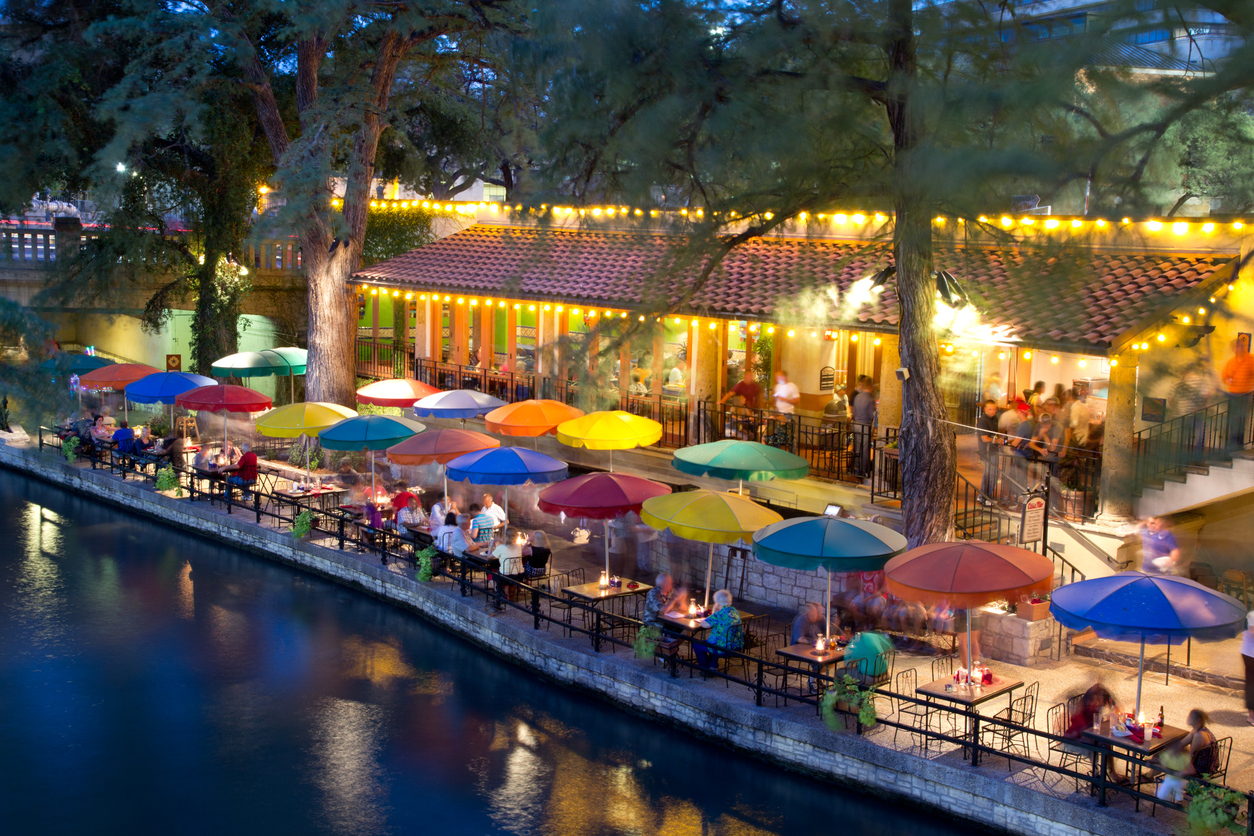
The River Walk attracts millions of visitors annually, serving as a central hub for dining, entertainment, and riverfront experiences. It connects hotels, restaurants, and cultural sites across downtown and remains one of the most recognizable destinations in Texas.
The Alamo, one of the most visited historic sites in the United States, draws visitors interested in Texas history and heritage. A large percentage of travelers to San Antonio include the Alamo in their itinerary, reinforcing its role as a must-see landmark.
Additional attractions such as SeaWorld San Antonio, Six Flags Fiesta Texas, and the city’s missions and museums contribute to the broader tourism ecosystem, encouraging longer stays and repeat visits.
The Pearl District and the Rise of Culinary Tourism
Beyond historic landmarks, San Antonio’s culinary scene has become a major tourism driver, with The Pearl District leading this transformation.
Located just north of downtown along the San Antonio River, The Pearl has evolved into a vibrant mixed-use destination featuring restaurants, boutique shops, hotels, and cultural spaces. The presence of the Culinary Institute of America, San Antonio has further elevated the area’s reputation as a center for food innovation and culinary education.
Visitors are drawn to a wide range of dining experiences, from chef-driven restaurants to weekend farmers markets that showcase regional ingredients and local vendors.
This growth reflects a broader trend in culinary tourism, where travelers seek out destinations known for unique food experiences, local flavors, and walkable dining districts.
How San Antonio Tourism Supports Over 147,000 Local Jobs
Tourism plays a major role in San Antonio’s economy, supporting more than 147,000 jobs across industries such as hospitality, food service, transportation, and event management.
The industry generates billions in wages and supports a wide range of employment opportunities, from entry-level service roles to specialized careers in marketing, operations, and management.
Visitor spending contributes significantly to public funding through hotel occupancy taxes, sales taxes, and related revenue streams, helping support infrastructure, public services, and community development projects throughout the city.
What Travelers Actually Spend: Budget to Luxury Breakdown
Visitor spending in San Antonio varies depending on travel style, but the city remains relatively affordable compared to other major U.S. destinations.
Budget-conscious travelers can find economical accommodations and dining options, while mid-range visitors typically enjoy comfortable hotels and a mix of casual and upscale restaurants.
Luxury travelers often choose high-end hotels along the River Walk or in areas such as The Pearl, pairing premium accommodations with fine dining and curated experiences.
In total, direct visitor spending exceeded $9 billion in 2023, contributing to the broader $21.5 billion economic impact and reinforcing tourism as a key driver of the local economy.
Family Tourism: Theme Parks, Museums, and Kid-Friendly Attractions
Family travel remains a major component of San Antonio’s tourism industry, supported by a wide range of kid-friendly attractions and interactive experiences.
Major destinations such as SeaWorld San Antonio and Six Flags Fiesta Texas attract families looking for theme park experiences, while museums like The DoSeum provide hands-on exhibits designed for children and young learners.
The San Antonio Zoo, located in Brackenridge Park, is another popular destination, offering a full day of exploration with diverse animal exhibits and shaded walkways.
In addition to these attractions, the River Walk and surrounding parks offer accessible outdoor spaces where families can enjoy walking paths, boat tours, and seasonal events.
These offerings make San Antonio one of the most family-friendly travel destinations in Texas.
Major Annual Events That Drive Tourism Year-Round
San Antonio’s tourism calendar is anchored by several major annual events that draw visitors from across Texas, the United States, and international markets.
Fiesta San Antonio, held each spring, is one of the city’s largest celebrations, featuring parades, cultural performances, and community events that span multiple neighborhoods. The event attracts hundreds of thousands of attendees and significantly boosts hotel occupancy and restaurant activity.
The San Antonio Stock Show & Rodeo, typically held in February, combines professional rodeo competitions, concerts, and agricultural exhibits. It is one of the largest rodeo events in the country and serves as a major driver of winter tourism.
In the fall, Día de los Muertos celebrations bring vibrant cultural experiences to the city, particularly along the River Walk and at the Historic Market Square. These events highlight San Antonio’s deep cultural heritage and attract visitors interested in traditional art, music, and food.
Together, these festivals help sustain year-round tourism momentum, reducing seasonal slowdowns and encouraging repeat visits.
International Travel, Border Access, and Visitor Trends
International visitors—particularly those from Mexico—have historically played a significant role in San Antonio’s tourism economy. Proximity to the border and strong cultural ties continue to support cross-border travel.
However, broader factors such as border wait times, travel requirements, and economic conditions can influence international visitation levels from year to year. While these challenges may affect short-term travel patterns, domestic tourism has remained strong and continues to drive overall growth.
San Antonio’s tourism strategy increasingly focuses on balancing both domestic and international markets while maintaining accessibility and appeal for a wide range of travelers.
How Conventions and Events Sustain Tourism Year-Round
San Antonio’s convention and meetings industry plays a critical role in stabilizing tourism throughout the year.
The Henry B. González Convention Center anchors this segment, hosting hundreds of events annually that bring business travelers to the city. These events generate hotel bookings, restaurant traffic, and extended stays that support the local economy beyond peak leisure seasons.
San Antonio has also improved its standing among major U.S. convention destinations, reflecting continued investment in facilities, event programming, and hospitality infrastructure.
Large conventions, corporate meetings, and trade shows help ensure consistent visitor flow, even during traditionally slower travel periods.
Hotel Growth and Short-Term Rental Trends
San Antonio’s tourism expansion has been supported by steady growth in hotel development and short-term rental accommodations.
New hotel projects and renovations—particularly in downtown areas and along the River Walk—have increased room inventory and improved the quality of available accommodations. Major hotel brands continue to invest in the city, reflecting confidence in long-term tourism demand.
At the same time, short-term rentals, including vacation homes and apartment listings, have become an increasingly popular option for visitors seeking more flexible or residential-style stays.
This combination of traditional hotels and alternative lodging options allows San Antonio to accommodate a wide range of travelers, from convention attendees to families and extended-stay visitors.
Why Domestic Visitors Drive San Antonio Tourism Growth
Domestic travelers now account for the majority of San Antonio’s visitors, playing a key role in the city’s continued tourism expansion.
Regional and national travelers are drawn by the city’s historic landmarks, family-friendly attractions, culinary scene, and cultural festivals. Increased interest in road trips and regional travel has also contributed to higher visitation levels.
This shift toward domestic tourism provides stability, helping offset fluctuations in international travel while supporting steady economic growth across the hospitality sector.