Surprising Facts About Casino Culture From Around the World
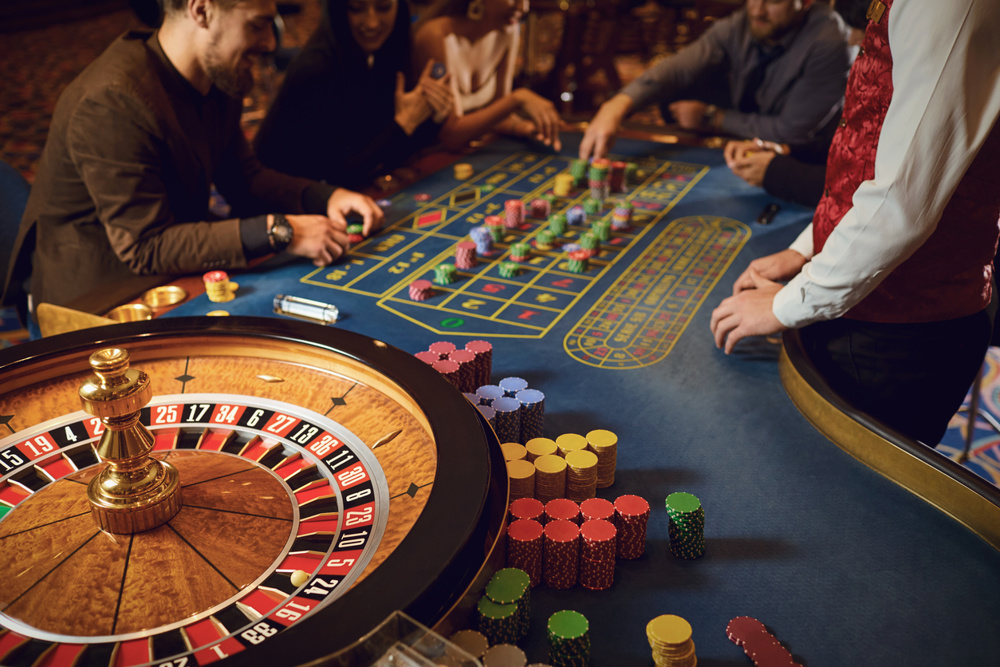
Casino culture is often associated with a single image—bright lights, endless slot machines, and the spectacle of Las Vegas. But beyond that familiar surface lies a much more complex global landscape. Around the world, gambling reflects cultural values, social norms, and historical traditions that shape how it is experienced.
From strict legal bans to deeply rooted superstitions, each region approaches casino culture differently. What is considered entertainment in one country may be restricted or ritualized in another. These variations reveal that gambling is not just about games—it is about how societies understand luck, risk, and reward.
The Countries Where Gambling Is Completely Illegal
Gambling is completely illegal in roughly 25–30 countries worldwide, and the reasons behind these bans vary. From strict religious doctrine to authoritarian political control. Islamic-majority nations like Saudi Arabia, Qatar, the UAE, Jordan, and Somalia enforce religious prohibitions with serious consequences. It includes imprisonment, fines, and even flogging. African nations like Sudan, Libya, and Algeria follow similar faith-based restrictions.
Meanwhile, countries like China, North Korea, and Cuba ban gambling through government control rather than religion. In North Korea, while citizens are forbidden from gambling, state-controlled casinos are permitted exclusively for foreign visitors as a means of generating revenue.
Some nations, like Cambodia, create dual systems where tourist exemptions allow casino access for visitors while citizens face complete bans. Wherever you travel, you'll find that these prohibitions reflect deeply held cultural, religious, or political values — and violating them carries consequences far more serious than you might expect.

Why Asia's Casino Culture Looks Nothing Like Vegas?
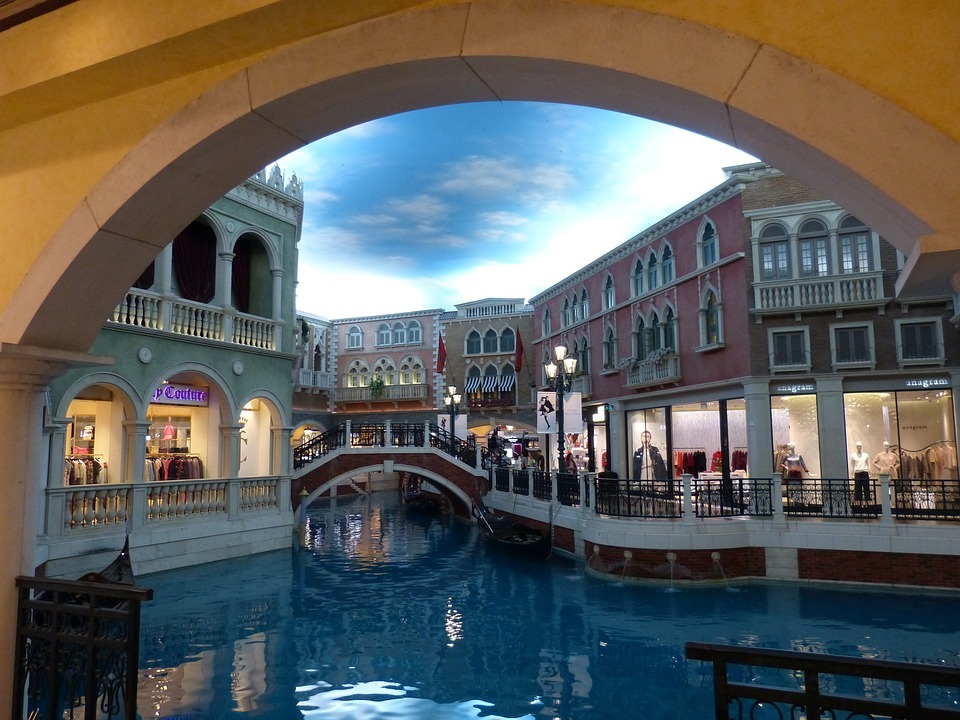
When most people picture a casino, they imagine the neon-lit spectacle of Las Vegas — slot machines everywhere, themed hotels, and entertainment designed for casual fun. Asia's casino culture operates differently, prioritizing serious gambling over spectacle.
Key contrasts you'll notice:
- Feng Shui layouts guide spatial design, channeling harmony and fortune through intentional architecture
- Red and gold décor symbolizes luck, replacing Vegas's flashy global replicas
- High roller etiquette dominates, with baccarat played in exclusive VIP rooms away from main floors
- Macau's 12-square-mile peninsula handles more wagers than all Las Vegas casinos combined
Asia's casinos aren't built for tourists snapping photos beside pyramid replicas. They're engineered for wealthy, focused gamblers who treat the table as serious business, not entertainment. In fact, visitors to Macau benefit from no tax on gambling winnings, keeping more money in the pockets of those who come to play seriously.
How Casinos Are Designed to Keep You Playing
Across the world, casino design follows a consistent principle: to create environments that encourage prolonged engagement. While the visual style may vary, the underlying structure is carefully planned.
Layouts are often complex, with pathways that guide movement through gaming areas rather than toward exits. The absence of clocks and windows removes external references, making it difficult to track time. These features create a sense of continuity that keeps attention focused on the immediate environment.
Sensory elements further enhance this effect. Lighting, sound, and temperature are adjusted to maintain comfort and stimulation. Together, these factors shape behavior in subtle ways, influencing how long individuals remain within the space.
The Gambling Superstitions That Vary Wildly by Country
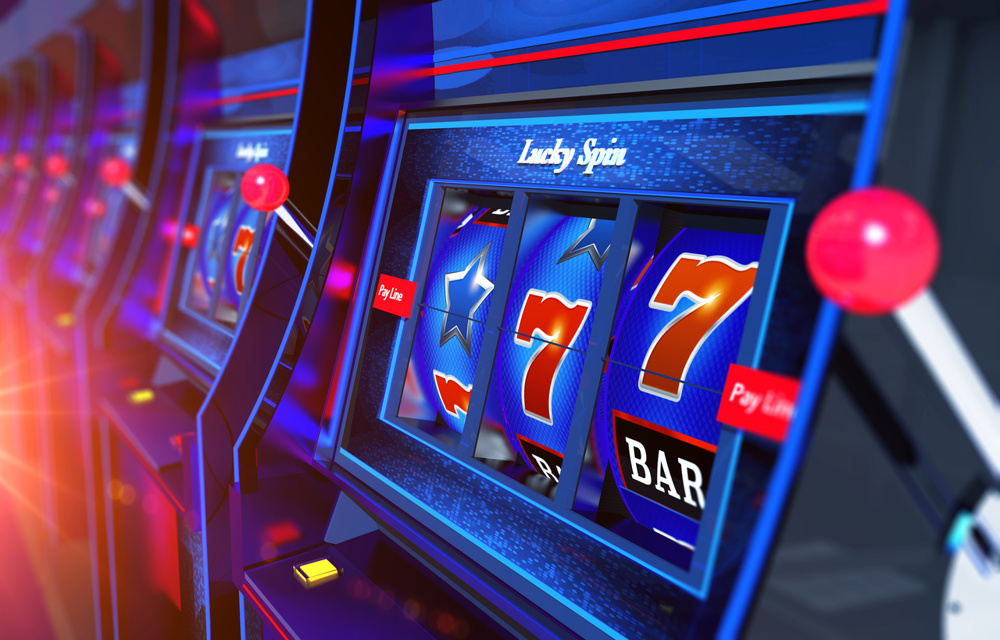
Walk into any casino around the world and you'll find that luck means something completely different depending on where you are. Lucky rituals and number taboos shape how players bet, dress, and even sit. Here's what gambling superstitions look like across cultures:
- China: The number 8 attracts wealth, while 4 is avoided because it sounds like "death"
- Italy: Players skip Friday the 17th and wear their underwear inside out for luck
- Japan: Crossing your legs "crosses out" good fortune during play
- North America: Blowing on dice before rolling is a widely practiced pre-roll ritual
You might laugh at these beliefs, but studies confirm they actively influence betting behavior — red bets on roulette wheels spike because of cultural color associations alone. Globalisation has accelerated the borrowing and blending of these superstitions across borders, meaning a ritual born in one culture can quietly take root in the gambling habits of another entirely different one.
What Gamblers Eat, Drink, and Do Before They Play
Those cultural superstitions don't stop at numbers and colors — they extend straight into what gamblers eat, drink, and do before they ever place a bet. In Latin America, you might pair chants with ritual meals to energize your fortune. In the Middle East, spices or incense ward off bad luck before you even touch a chip.
African gamblers invoke ancestors and leave offerings, while Oceanic traditions blend nature elements into pre-play preparation. What you drink matters too. Asian casinos favor tea, European players lean on classic cocktails, and high-end venues serve gold leaf drinks symbolizing prosperity.
You'll also want to wear your lucky attire — it won't change the odds, but it sharpens your confidence and keeps your mindset focused before the first bet. Many gamblers also carry lucky charms and trinkets tucked in their pockets, believing these personal items boost confidence heading into a session.
Step deeper into the world of casino with more fascinating facts and trivia.
Casino Dress Codes: Where They Still Matter and Where They Don't
Dress codes at casinos still carry real weight in some corners of the world, while others have all but abandoned them. Formal enclaves like Monte Carlo demand black-tie attire, while London's Ritz Club insists on suits and gowns. Contrast that with Las Vegas's casual tolerance, where flip-flops barely raise an eyebrow. Before you visit, picture these distinct realities:
- Monte Carlo: floor-length gowns and tailored tuxedos gliding past ornate chandeliers
- Bellagio, Las Vegas: polished business casual, no shorts or sports gear allowed
- Asian casinos: modest yet glamorous fusion blending Eastern and Western expectations
- Modern venues globally: jeans, hoodies, and sandals welcomed without hesitation
Always check official casino websites before traveling abroad. Smart casual remains your safest universal choice, keeping you comfortable and entry-guaranteed. Celebrity casino appearances have historically shaped public fashion choices, with designers responding by creating collections directly inspired by high-profile gambling aesthetics.
Why Brazil, Africa, and Asia Are Rewriting Casino Culture
While some casinos still enforce black-tie standards and others barely glance at your outfit, a far bigger shake-up is happening beyond the velvet ropes — entire regions are rewriting what casino culture means from the ground up.
Brazil's market is projected to surpass USD 9.04 billion by 2029, driven by regulatory innovation that took effect in January 2025. Sponsorships like Superbet's Rio Carnival campaign show cultural convergence at work, blending gambling brands into national identity rather than keeping them separate.
Africa's emerging markets are tying casino expansion to tourism, mobile platforms, and anti-money laundering reforms. Asia's momentum runs through Macau, Singapore, the Philippines, and Japan's new IR zones. Gambling transformed from a niche activity into a mainstream cultural and economic force across three continents simultaneously.
What the Way a Country Gambles Says About Its People
Patterns of gambling behavior often reflect deeper cultural values, offering insight into how societies understand risk, reward, and uncertainty. The types of games that dominate—whether fast-paced slots, strategic card games, or socially driven betting—reveal what is prioritized within a culture. Even the environments in which gambling takes place, from quiet VIP rooms to lively public halls, signal how communities approach participation and interaction.
In some regions, gambling is deeply social. Activities like bingo in parts of Latin America or community-based betting in various local traditions emphasize shared experience over individual gain. In contrast, other cultures place greater value on strategy and personal skill, where games such as poker or blackjack become expressions of calculation, discipline, and control. These differences highlight how societies interpret concepts like luck and effort—whether success is seen as collective fortune or individual achievement.
Examining these patterns shows that gambling is more than entertainment—it reflects broader ways of thinking. Attitudes toward chance, risk-taking, and reward mirror how people navigate uncertainty in everyday life. In this sense, casino culture becomes a cultural lens, revealing how identity, belief systems, and social structures shape even the most seemingly simple acts of play.
Conclusion
Casino culture is often presented as a universal experience, but in reality, it is shaped by a wide range of local influences. Laws, traditions, design choices, and social norms all contribute to how gambling is understood and practiced in different parts of the world.
These variations reveal the complexity of a global phenomenon that cannot be reduced to a single model. While certain elements remain consistent, the meaning and experience of gambling continue to evolve across cultures. Ultimately, casino culture reflects the societies in which it exists. It is not just about games or outcomes, but about how people interpret chance, structure experience, and engage with uncertainty in their own way.