Best Months to Visit Las Vegas, Macau, Monte Carlo, and Other Casino Hotspots
Timing plays a crucial role in shaping the casino travel experience. While these destinations are known for their energy and entertainment, the difference between peak and off-peak seasons can dramatically affect comfort, cost, and overall enjoyment. Weather patterns, tourism cycles, and major events all influence when a destination feels vibrant versus overwhelming.
Across most casino cities, spring and fall consistently offer the best balance. These transitional months provide milder weather, manageable crowds, and more reasonable prices. It creates conditions that feel both relaxed and engaging. Instead of navigating extreme heat or peak-season congestion, travelers can experience these locations at a more comfortable pace.
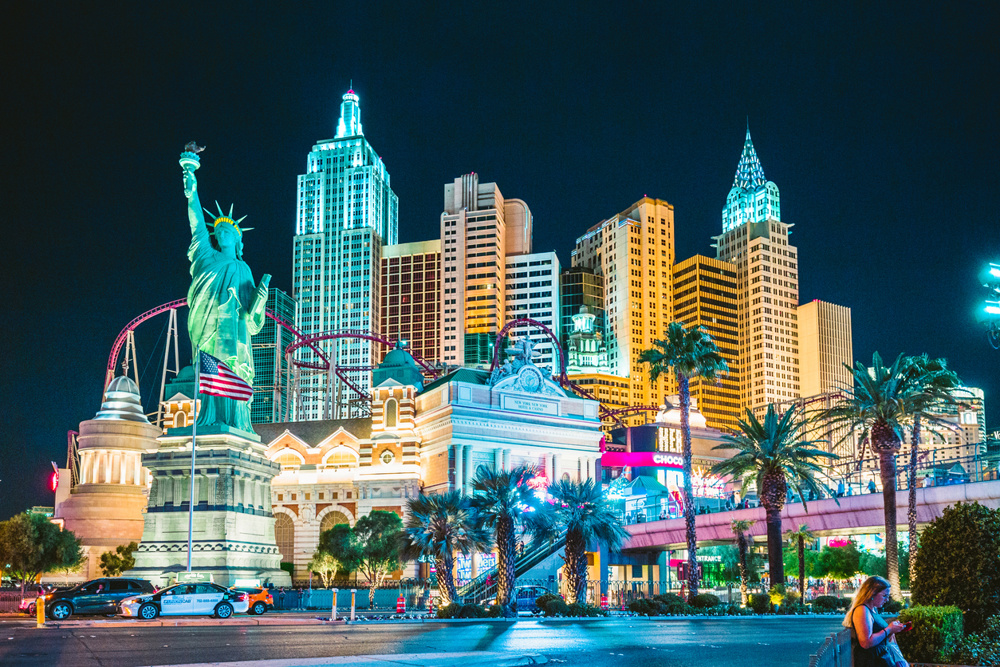
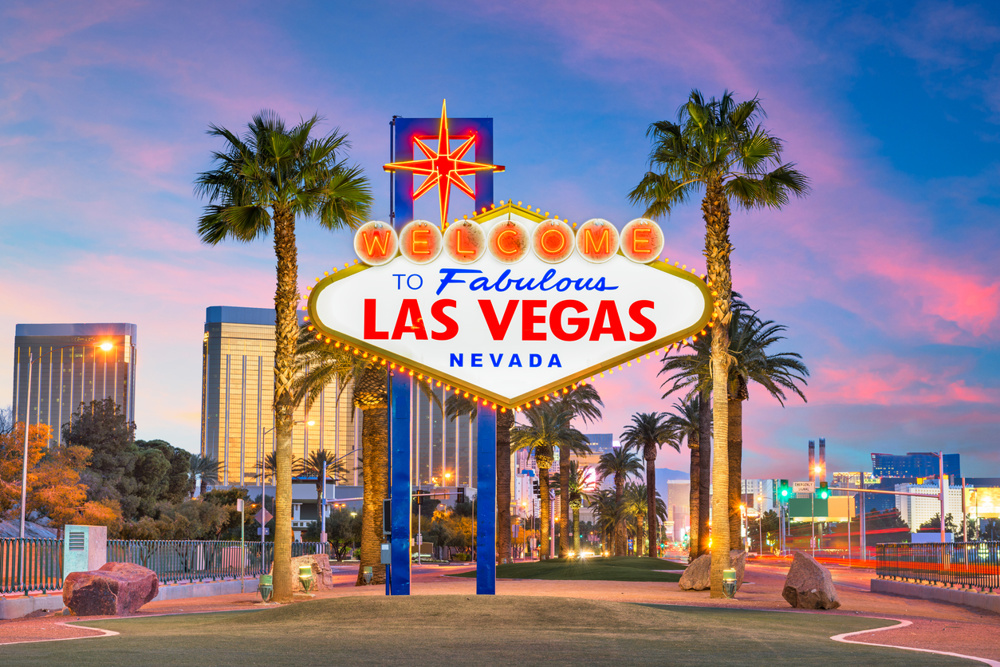
The Best Months to Visit Las Vegas
Las Vegas experiences dramatic seasonal shifts due to its desert location. Summers are defined by extreme heat, while winters remain mild but cooler than many expect. As a result, timing a visit carefully can significantly improve the overall experience.
Spring, particularly from March through May, offers one of the most comfortable periods. Temperatures remain warm without becoming overwhelming, and outdoor activities. From walking the Strip to exploring nearby attractions—are far more enjoyable. Resort pools begin to reopen, adding another layer to the experience without the intensity of summer crowds.
Fall provides a similar advantage. September and October bring cooling temperatures, clear skies, and fewer tourists compared to peak summer months. In contrast, July and August can be difficult due to extreme heat, while winter months, though quieter, may feel less vibrant for those seeking a full outdoor experience.
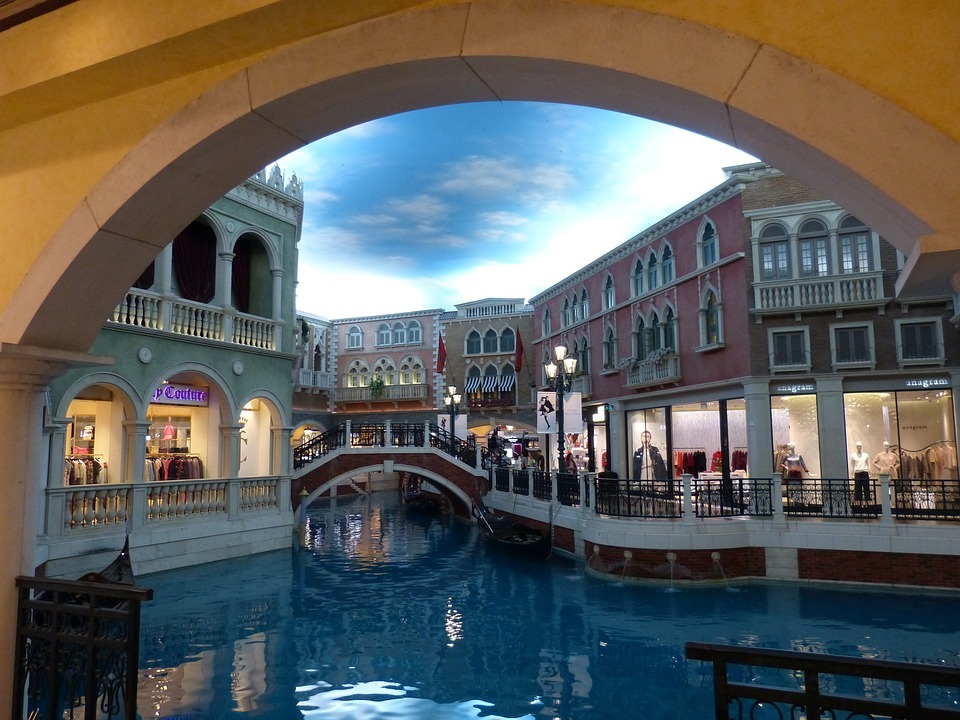
When Is the Best Time to Visit Macau?
While Las Vegas rewards visitors who dodge its scorching summers, Macau operates on a different seasonal rhythm — one shaped by monsoons, typhoons, and subtropical humidity rather than desert heat. The best months to visit are October through December, when temperatures hover between 18°C and 25°C, skies stay clear, and rainfall drops markedly.
You'll find comfortable conditions for exploring the Ruins of St. Paul, Senado Square, and Taipa Village without battling oppressive heat or sudden downpours. If budget travel tips matter more to you than ideal weather, consider March or June, when tourist numbers thin out and hotel rates drop noticeably.
Just prepare for spring fog or early wet-season showers. Either way, avoid July and August — typhoon season makes outdoor sightseeing genuinely miserable. National Day, the first week of October, also drives up crowds and hotel prices, so plan your autumn trip around it rather than during it.
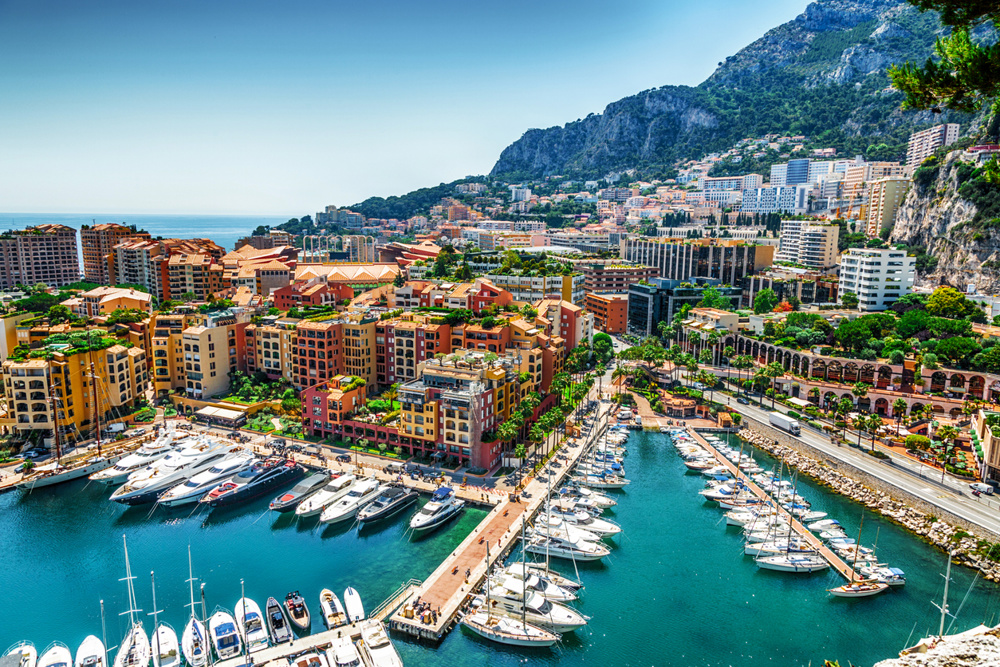
When to Visit Monte Carlo (And When to Stay Away)
Monte Carlo almost always rewards visitors who time their trips carefully, but the stakes feel higher here than in most casino destinations. Getting it wrong means paying premium prices for a crowded, overheated Riviera experience rather than the effortless glamour you came for.
Summer draws Americans, Middle Eastern travelers, French, and Italians, pushing hotel occupancy sharply upward. Yacht parties and Monte Carlo nightlife peak during these months, but so do prices and crowds. November through March offers genuine breathing room — lower lodging costs, fewer tourists, and a more exclusive atmosphere.
December actually surprises visitors: Christmas week hits 50% occupancy, New Year's Eve surges to 90%, and French and Italian guests dominate the clientele. Holiday timing strikes the smartest balance between energy and affordability. Monaco hosts over 500 events annually, including the Formula 1 Grand Prix and various luxury trade shows, making event calendars essential reading before you book any trip.
The Best Times to Visit Atlantic City, Singapore, and Reno
Atlantic City rewards visitors differently depending on the season — and knowing when to go separates a bargain-filled trip from an overpriced, overcrowded one. Spring, particularly March, hits a sweet spot: temperatures stay mild, crowds thin out, and Restaurant Week puts top-tier local dining within reach through prix fixe menus.
Summer brings warm beaches and a buzzing boardwalk, but expect sky-high hotel rates and packed conditions from June through August. Fall offers comfortable weather for outdoor activities with markedly fewer crowds after Labor Day. Winter transforms Atlantic City into one of the best off-season escapes on the East Coast.
Hotel rates drop sharply, casinos run aggressive promotions, and you'll navigate the boardwalk without fighting through crowds. Weekday visits amplify savings in any season. Major events like the Atlantic City Airshow draw significant crowds each August, so travelers seeking calmer conditions should plan arrival dates around the event calendar.
How Weather Affects Casino Travel Across All Four Destinations
Weather plays a more significant role in casino travel than it might initially appear. While gaming itself occurs indoors, the overall experience is shaped by outdoor conditions, including transportation, exploration, and general comfort.
Each destination presents its own climate challenges. Las Vegas faces extreme summer heat, Macau deals with humidity and typhoons, and Monte Carlo maintains a relatively mild Mediterranean climate. These differences require travelers to adapt their plans accordingly.
Packing and preparation also vary depending on location and season. Understanding these environmental factors allows travelers to maximize comfort and avoid unnecessary disruptions during their trip.
Create your own travel calendar to plan adventures and remember important trip dates!
Major Events That Spike Prices at Every Casino City
Major events can dramatically alter travel conditions in casino destinations. Conferences, festivals, and international gatherings often drive sudden increases in demand, affecting both pricing and availability.
In Las Vegas, events such as CES and major sporting weekends can significantly raise hotel rates. Macau experiences similar surges during national holidays and major festivals, while Monte Carlo’s Formula 1 Grand Prix creates one of the most intense demand spikes in global tourism.
Planning around these events is essential. While they can enhance the atmosphere, they also increase costs and reduce flexibility. Awareness of event calendars allows travelers to choose between high-energy experiences and more relaxed visits.
When Crowds Peak and Prices Surge at Every Casino City
Knowing which events spike prices only tells half the story — you also need to know when destinations hit their natural crowd ceilings. In Macau, holiday spillover from Mainland China drives brutal peaks, with Labour Day 2025 pulling 850,000 visitors and July hitting record GGR of $2.73 billion.
Singapore mirrors these traffic patterns during regional holidays, while its 2026 resort expansions will push occupancy even higher. Las Vegas flips the script — despite falling visitors through 2025, October Strip revenue still climbed 8%, meaning fewer crowds don't guarantee lower prices.
Monaco's ceiling arrives each summer and Grand Prix season, compressing availability fast. Baccarat dominates gaming revenue in Macau, making high-traffic periods especially intense around table game floors where VIP rooms and premium mass players concentrate spending. Understanding these destination-specific traffic patterns helps you time visits before the crowd's peak and prices surge beyond comfortable budgets.
The Cheapest Times to Visit Top Casino Destinations
Timing your casino trip around the cheapest windows can slash travel costs substantially without sacrificing the experience. Use these off-peak promotions and weekday strategies to maximize savings:
- Las Vegas – Visit February, late November, or July midweek for rates 40–50% cheaper than weekends.
- Macau – Target February–April or October–December, avoiding Chinese New Year and Golden Week surges.
- Monte Carlo – Book January–March or September–October to dodge Formula 1 price spikes.
- Other hotspots – Atlantic City and Tunica drop rates in January–February; Singapore's Marina Bay Sands cuts prices June–September.
You'll consistently find the best deals by combining shoulder-season timing with Sunday–Thursday stays, turning premium casino destinations into genuinely affordable getaways. The impact of timing is starkly illustrated by the fact that Las Vegas gaming revenue collapsed to just $3.72 million in April 2020, compared to $808.66 million the prior year, underscoring how dramatically visitor demand and spending can shift based on external conditions.
Balancing Cost, Comfort, and Experience
Planning a casino trip often involves balancing multiple factors, including budget, comfort, and desired atmosphere. While peak seasons offer energy and excitement, they also come with higher costs and increased crowd density.
Travelers who prioritize affordability often benefit from off-peak timing, when hotel rates drop and promotional offers become more accessible. These periods provide opportunities to experience the same destinations at a fraction of the cost, without sacrificing core amenities.
At the same time, comfort plays a crucial role. Ideal weather conditions and manageable crowds can significantly enhance the experience, making travel more enjoyable overall. Finding the right balance between these elements allows for a more tailored and satisfying visit.
Conclusion
The experience of visiting a casino destination is shaped as much by timing as by location. Weather, crowd levels, and seasonal demand all influence how a destination feels, from the pace of activity to the cost of participation.
By understanding these patterns, travelers can align their plans with the conditions that best match their preferences. Whether prioritizing comfort, affordability, or energy, the right timing enhances every aspect of the trip. Ultimately, the most memorable experiences come from balance. Choosing when to visit is not just about avoiding extremes—it is about finding the moment when a destination feels at its best.