The Psychology Behind Casino Culture and Its Lasting Appeal

Casinos are often seen as spaces of excitement, chance, and escape. Bright lights, constant motion, and the possibility of winning create an environment that feels removed from everyday life. But beneath this surface lies a carefully structured experience. One shaped not only by architecture and design, but by an understanding of human psychology.
What makes casino culture so enduring is not just the games themselves, but how they interact with the brain. Gambling engages systems linked to reward, anticipation, and emotion, creating experiences that feel intense and memorable. Over time, these interactions can shape behavior in subtle but powerful ways.
How the Brain Gets Hooked on Casino Rewards
When you pull a slot machine lever or place a bet at the blackjack table, your brain's mesolimbic dopamine pathway lights up the same way it does with addictive drugs. Hijacking survival mechanisms your brain originally built for food and social bonding.
Each uncertain outcome triggers phasic dopamine spikes in your nucleus accumbens, making reward anticipation itself more compelling than winning. Over time, dopamine sensitization reshapes your brain's baseline chemistry. Your D2 and D3 receptors decrease, leaving you chronically under-stimulated by everyday pleasures like food or social connection.
You need progressively higher gambling stimulation just to feel normal. Meanwhile, your prefrontal cortex weakens its regulatory grip, letting emotional reward circuits override rational decision-making. What started as entertainment quietly restructures your neurobiology into dependency. Research suggests that genetic factors account for 40 to 70 percent of an individual's vulnerability to developing this kind of compulsive pattern.
Who Is Most Vulnerable to Gambling's Pull?
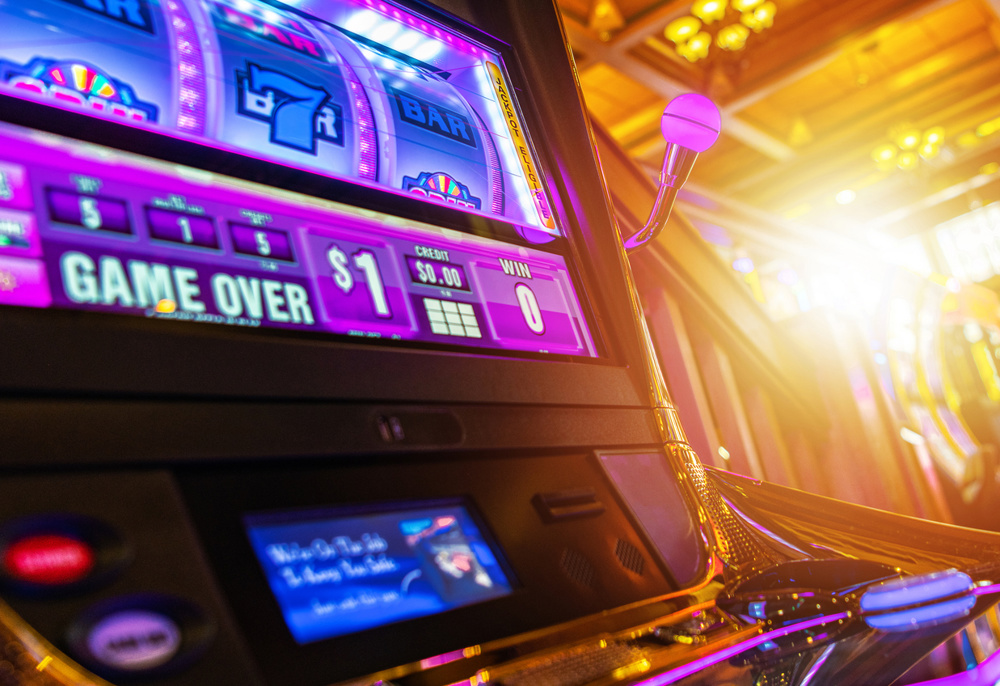
While casino environments affect everyone to some degree, certain individuals are more susceptible to developing problematic patterns. Age, personality traits, and mental health all play a role in shaping vulnerability. Younger adults, for example, tend to show higher levels of risk-taking behavior, making them more responsive to the stimulation of gambling environments.
Psychological factors also contribute significantly. Conditions such as anxiety, depression, and impulsivity can increase the appeal of gambling by making its structured unpredictability feel engaging or distracting. In these cases, gambling may serve as a temporary escape from underlying stress or discomfort.
Social and economic conditions further influence risk. Financial instability, early exposure to gambling, and family history of addiction can all increase susceptibility. These factors do not determine outcomes, but they create conditions where the appeal of casino environments can become more difficult to manage.
Casino Design Tricks That Warp Your Sense of Time
Step inside a casino, and you'll quickly lose your grip on time. That's no accident. Casinos engineer every detail to disorient you. Labyrinthine layouts force you through winding paths without clear exits, routing you past slots and tables before you reach a restroom or door. No windows block natural light, and you won't find a single clock on the wall.
Lighting reinforces this trap. Warm, low tones relax you, while flashing slot lights trigger dopamine hits. Sound layers in — coin clinks and applause signal wins that rarely happen, keeping you engaged.
Even the air works against your awareness. Scent conditioning pumps carefully chosen fragrances that deepen relaxation and strengthen positive associations. In one study, a pleasant unidentifiable scent pumped into a Las Vegas slot area generated about 50% more revenue compared to the Saturdays immediately before and after. Together, these elements dissolve your sense of passing time until hours vanish unnoticed.
Why Casino Near-Misses Feel Like Almost-Wins
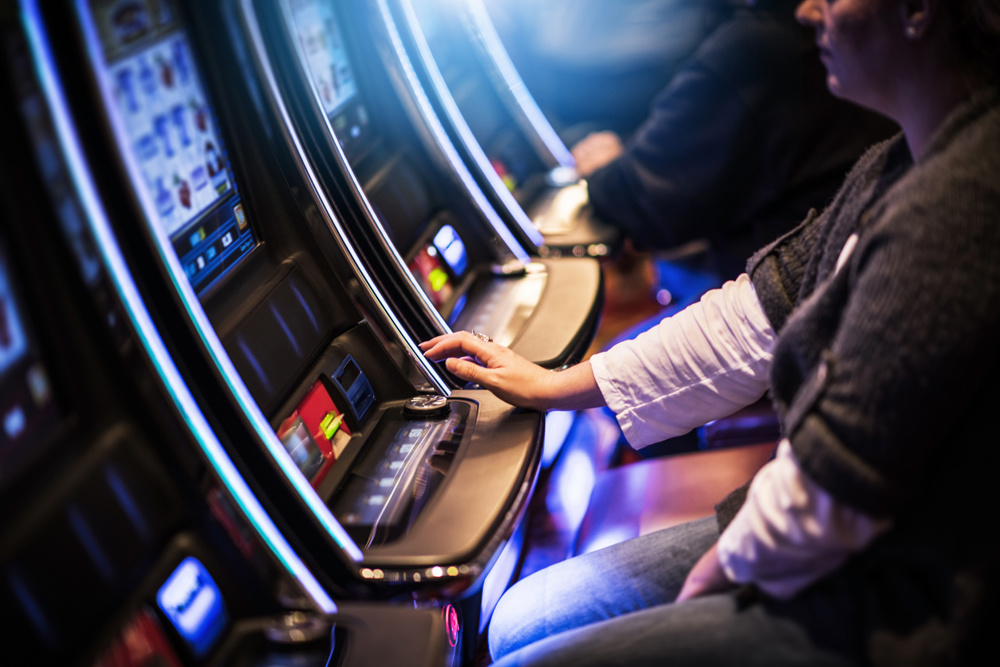
One of the most powerful psychological mechanisms in gambling is the near-miss effect. When a result appears close to a win, the brain processes it differently than a clear loss. Instead of disengaging, it interprets the outcome as a sign of potential success.
This response is rooted in how the brain evaluates progress. A near-miss suggests that a win is achievable, even if the outcome is random. This perception can increase motivation and encourage continued play.
Importantly, this effect is not accidental. Game design often includes patterns that produce near-misses at a higher frequency than chance alone would suggest. These outcomes sustain engagement by maintaining the illusion of progress within a system governed by probability.
Check out MrPopCulture.com and learn more about pop culture trends in casino and its appeal.
How Sound, Scent, and Light Pressure You Into Bigger Bets
The moment you walk through a casino's doors, your senses become targets. Blinking lights and jingles trigger auditory conditioning, training your brain to associate excitement with risk-taking. Research using eye-tracking technology shows that slot machine sounds paired with wins pull your attention away from winning odds, making you bet less rationally.
Visually, red lights reduce your reflection time after losses, while bright flashes push you toward impulsive decisions over careful calculation. Casino conditions also elevate your mood, nudging you toward bigger bets without you realizing it. Ambient scenting, controlled lighting, and absent clocks extend your playtime by suppressing your awareness of time and money spent.
Together, these sensory elements don't just entertain you — they systematically override your judgment, making riskier choices feel completely natural. Studies show that casino audiovisual cues cause players to make riskier choices regardless of the actual odds, suggesting these features play a direct role in how gambling addiction forms and persists.
The Long-Term Damage Gambling Addiction Does to Real Lives
While casino experiences are designed to feel temporary and contained, their effects can extend beyond the gaming floor. For some individuals, repeated exposure to high-stimulation environments can make everyday activities feel less engaging by comparison.
This shift can influence behavior and decision-making over time. Financial strain, relationship challenges, and emotional stress are common outcomes associated with problematic gambling. These effects often develop gradually, making them difficult to recognize in early stages.
The broader impact extends beyond individuals. Families, communities, and social systems can all be affected, highlighting the wider implications of gambling behavior. Understanding these outcomes is essential for recognizing the full scope of casino culture’s influence.
The Social Appeal of Casino Culture
Despite its risks, casino culture remains widely appealing because it offers more than just gambling. It creates a layered environment where gaming, dining, live entertainment, and nightlife converge into a single experience. Casinos are designed as social hubs, where people gather not only to play, but to spend time, celebrate, and engage with others in a setting that feels distinct from everyday life.
This social dimension strengthens its appeal by transforming individual actions into shared moments. Groups gather around tables, react collectively to wins and losses, and participate in an atmosphere built on excitement and possibility. Even those who are not actively gambling remain part of the experience, contributing to a sense of energy that is both collective and immersive.
This shared environment helps explain the persistence of casino culture. It is not defined solely by risk or reward, but by the combination of interaction, entertainment, and emotional intensity. Casinos offer a temporary escape from routine, creating a space where people can feel connected, engaged, and part of something larger than themselves.
Risk, Reward, and the Psychology of Uncertainty
At the core of casino appeal is the relationship between risk and reward. Uncertainty introduces tension into every decision, making outcomes feel more significant than they would in predictable environments. This tension heightens emotional response, turning even small wins into memorable events.
Casinos are structured to amplify this effect. Games are built around variable outcomes, ensuring that each result feels independent and unpredictable. This creates a continuous loop of anticipation and resolution, where each moment leads naturally into the next, sustaining engagement over time.
This psychological mechanism explains why gambling remains compelling even without consistent success. The experience is driven less by outcomes and more by expectation. Anticipation becomes the primary reward, allowing uncertainty itself to function as a source of engagement and keeping participants invested in the process.
Escapism and the Illusion of Control
Casinos offer a form of escapism that goes beyond simple entertainment. The environment is designed to feel separate from everyday life, creating a space where normal routines, responsibilities, and constraints seem temporarily suspended. This sense of detachment allows individuals to engage more freely, often with fewer perceived consequences.
Within this environment, games provide a structured sense of control. Players make decisions—when to bet, how much to wager, when to stop—even though outcomes are ultimately determined by chance. This creates an illusion of influence, where participation feels like it directly shapes results.
This combination of escape and perceived control is particularly powerful. It allows individuals to feel both removed from reality and actively engaged within the experience. The balance between these two elements helps sustain attention and reinforces the appeal of casino environments.
Conclusion
Casino culture endures because it operates on multiple levels at once. It engages neurological systems, shapes perception through design, and provides social and emotional experiences that extend beyond the act of gambling itself. Its appeal lies not only in the possibility of winning, but in the intensity of the experience it creates.
By combining uncertainty, environment, and interaction, it produces a form of engagement that is difficult to replicate elsewhere. Understanding this complexity does not diminish its appeal—it clarifies it. It reveals how deeply psychology and design are intertwined, and why casino culture continues to hold a lasting place in modern life.